












Baking Bread in Wood-Fired Ovens
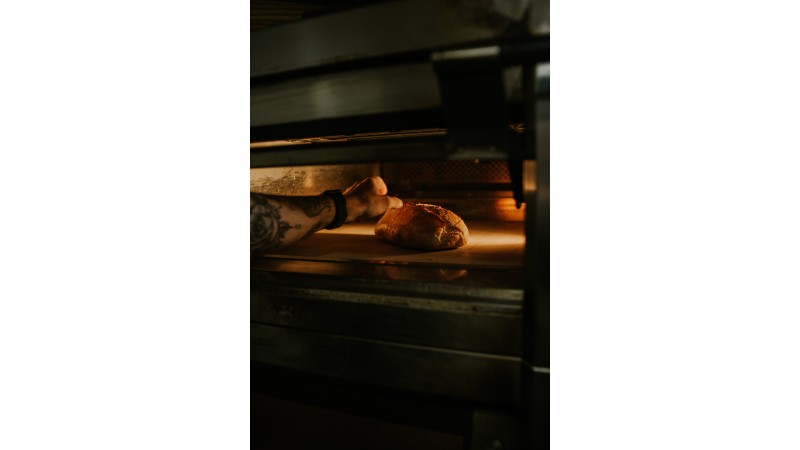
Baking bread in wood-fired ovens has a tradition that goes back thousands of years. This method is not just a baking technique, but also an important part of history, culture, and everyday life.
The Origins of Bread
The first bread-like foods were made thousands of years ago, when human nutrition was mainly based on hunting and gathering.
The Middle East is considered the birthplace of bread, as the first civilizations and early grain-processing methods developed there.
How Dough Was Created
Over time, people began experimenting with ground grains, making porridge and simple forms of dough.
Fermentation and yeast were likely discovered by accident when grain mixtures were left in warm places, leading to the first types of bread.
Ancient Egypt and Rome
The ancient Egyptians are considered masters of bread making. They used stone ovens and developed various types of bread.
The Romans were also highly skilled bakers. They used different grains and improved baking techniques.
- variety of breads
- use of yeast
- wood-fired ovens
- different ingredients such as honey and nuts
Bread had an important place in Roman culture and was often part of religious rituals.
The Middle Ages
During the Middle Ages, wood-fired ovens became standard in households across Europe. Baking bread became a key part of everyday nutrition.
The preparation and baking process continued to develop over centuries and gradually evolved into methods still known today.
The Middle East as the Homeland of Bread
- favorable climate for grain cultivation
- archaeological evidence of ovens and grinding stones
- development of the first civilizations
- discovery of fermentation and yeast
All of these facts make the Middle East essential to the history of bread.
Why Were Egyptians Bread Masters?
- fertile land along the Nile
- developed agriculture
- variety of breads
- use of yeast
- wood-fired ovens
- cultural importance of bread
Why Wood-Fired Ovens?
- authentic taste and aroma
- even baking
- moisture retention
- temperature control
- connection with nature
- sense of togetherness
Tradition in the Balkans
- different types of grains
- homemade dough preparation
- various bread shapes
- wood-fired ovens
- hospitality
- rituals and customs
Bread holds a special place in Balkan culture and everyday life.
Why Is Bread Important?
- basic source of energy
- affordable food
- rich tradition
- symbol of hospitality
- ritual significance
- family gathering
Wood-Fired Ovens Today
- aromatic flavor
- even baking
- moisture preservation
- reliability
- more eco-friendly solution
Conclusion
Wood-fired ovens produce the highest-quality bread thanks to their flavor, texture, and the tradition they carry. This baking method remains one of the most appreciated even today because it combines authenticity, functionality, and a unique cooking experience.
Leave a comment