






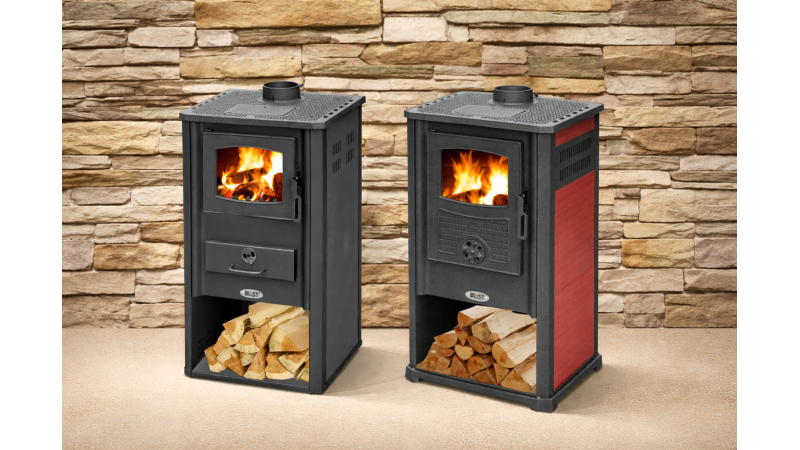
How to Choose the Right Wood Burning Stove for Your Home
Wood burning stoves have a long tradition and remain one of the most practical heating solutions for the home. If you want warmth, reliability, and long-term savings, it is important to choose a model that fits your space, lifestyle, and heating needs.
A Brief History of Wood Burning Stoves
The earliest wood stoves date back to ancient times, while the first modern household stove became widely known in the 18th century with the Franklin stove. Since then, technology has evolved toward higher efficiency, better safety, and lower fuel consumption.
Why They Are Still Popular Today
Wood stoves remain popular because they provide strong heat output, independence from other energy sources, and a unique sense of comfort. Modern models offer improved combustion control, better materials, and more refined design.
Common Types of Wood Burning Stoves
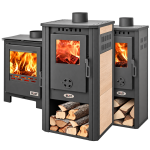
- Classic wood stoves – traditional models, simple to use and maintain.
- Convection stoves – distribute warm air more evenly throughout the room.
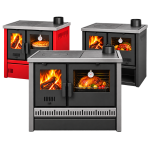
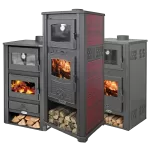
- Wood cookers – used for both heating and cooking.
- Fan-assisted stoves – improve airflow and spread heat faster.
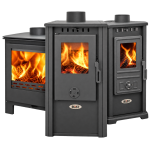
- Modern design models – high efficiency with a stylish appearance for contemporary interiors.
Choosing the Right Size
One of the most common mistakes is buying a stove that is too large for the space. The size of the stove should always match the area you want to heat. A small model may struggle to heat properly, while an oversized one may burn inefficiently.
Efficiency and Firewood Consumption
A more efficient stove uses less wood to produce more heat. That means lower running costs over time. When comparing models, pay close attention to energy efficiency, combustion quality, and overall build quality.
Heating Only or Heating and Cooking
There is a major difference between stoves designed only for heating and those that also allow cooking. If you need a multifunctional solution, a wood cooker can be an excellent choice, especially for households that value added practicality.
House or Apartment
In houses, choosing a stove is usually simpler. In apartments, you must also consider ventilation, chimney setup, available space, and local regulations. Before installation, always check the technical and safety requirements.
What to Consider Before Buying
- the size of the area you want to heat
- stove efficiency and wood consumption
- build material – cast iron or steel
- design and fit with your interior
- ease of installation and maintenance
- safety features and build quality
- how often you plan to use the stove
A Wood Stove Is a Long-Term Investment
Buying a quality wood burning stove is not a decision for one season only. It is a long-term investment, so you should clearly define your priorities before purchasing: heating a single room, a full house, creating a cozy atmosphere, cooking, or a combination of all of these.
If you are looking for a reliable, functional, and visually appealing solution, explore the full range of Blist wood burning stoves and choose the model that best fits your needs.
Leave a comment