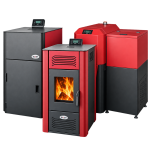
Stoves and fireplaces on solid fuel - Questions and Answers

  • The installation surface must be level and have adequate load-bearing capacity.
  • The stove must not be placed near flammable materials (wood, textiles, plastics, etc.) or near cooling devices.
  • The floor must be protected with a metal plate (min. 30 cm sides, 50 cm front). Flue pipe min. 40 cm from flammable materials.
  • Ensure access for cleaning the stove, chimney, and flue pipes.
  • The stove must be connected to a chimney at least 6 m high, with a diameter of 120–150 mm for freestanding stoves and 140–160 mm for fireplaces and central heating stoves.
  • If multiple stoves are connected to the same chimney, the vertical distance between connections must be at least 2 m.
  • The chimney must extend at least 50 cm above the roof peak.
  • Connection pipes must not protrude into the chimney section, and all joints must be properly sealed.
  • The maximum horizontal flue length is 0.5 m, with no more than 2 bends before entering the chimney.
  • Required draft pressure: 10–12 Pa for freestanding stoves, 12–14 Pa for fireplaces and central heating stoves.
  • Fresh air is essential for proper combustion and stove operation, so the room must always have sufficient air supply.
  • Devices that extract air (fans, kitchen hoods, etc.) should not be installed in the same room as the stove.
  • If windows and doors are airtight or such devices are present, an external air supply must be provided.
  • In such cases, consult a qualified chimney service before installing the stove.
  • Insufficient air supply can lead to incomplete combustion and the buildup of dangerous and harmful gases in the room.
  • During the first 8–10 hours (1–2 days), operate the stove gradually and avoid full capacity to allow materials to adapt.
  • The heat-resistant paint will fully cure after the first 2–3 hours of use.
  • Do not touch the stove or place objects on it during this time to prevent damage to the paint.
  • During the first 15–30 minutes, unpleasant odors and smoke may occur, so keep the room well ventilated.
  • This is a sign of improper combustion.
  • Soot appears when the wood is too damp or there is not enough air in the stove or fireplace.
  • Adjust the air intake regulator to prevent this issue.
  • The combustion intensity depends on the type and quality of the fuel used.
  • The use of dry firewood logs is recommended.
  • Low-calorie coal may also be used (except coke and hard coal).
  • The ash tray should be emptied regularly.
  • The stove should be periodically cleaned of soot and unburned residues. Clean internal surfaces ensure efficient operation. Cleaning once a month or more often if needed is recommended.
  • After each heating season, thoroughly clean the stove, flue pipes, and chimney. During the off-season, keep air regulators open to allow airflow and prevent condensation.
  • Clean the glass with a soft cloth. Clean the exterior without abrasive or aggressive chemicals to avoid damage.
  • Clean the stove only when it is completely cold.
  • Il vetro non deve essere pulito con acqua o panni umidi quando è caldo, poiché potrebbe rompersi.
  • Non appoggiare oggetti molto freddi sulla piastra calda per evitare rotture.
  • È vietato utilizzare gas, alcol o altri combustibili liquidi infiammabili.
  • Alcune parti della stufa possono raggiungere temperature molto elevate – prestare attenzione, soprattutto in presenza di bambini.
  • Non sono consentite modifiche strutturali senza autorizzazione del produttore.